

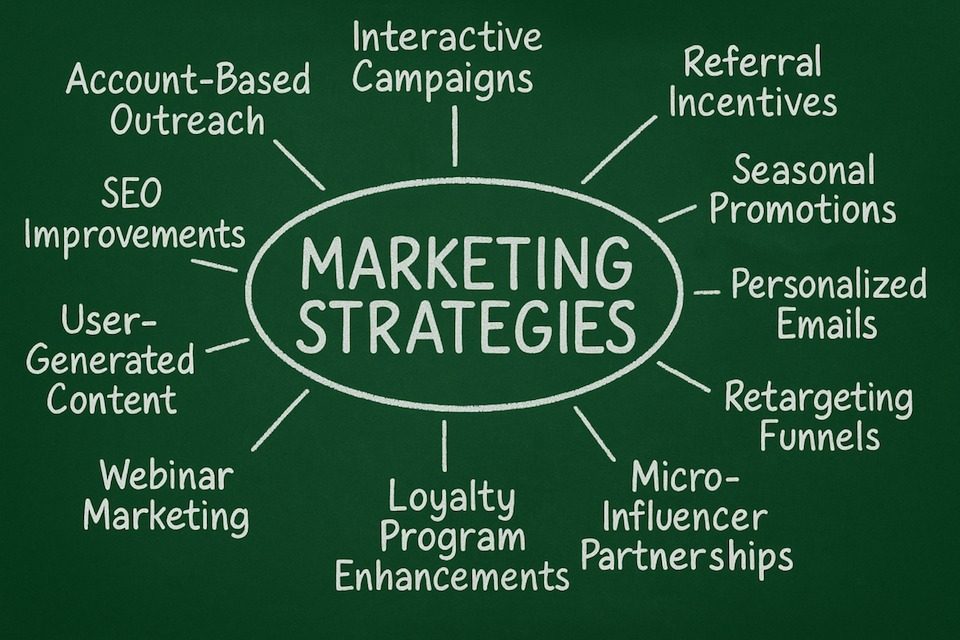
What’s the difference between a marketing strategy that sounds good on paper and one that actually delivers real business results?
For many companies, the gap between strategy and success lies in execution, and in choosing the right mix of tactics that are both creative and measurable. A strong marketing strategy isn’t just about flashy campaigns; it’s about generating leads, increasing sales, and building a brand that resonates with people.
Below are 15 proven marketing strategy ideas that do just that. Whether you’re launching a new product, scaling up lead generation, or strengthening customer loyalty, these ideas are designed to drive results. Each one includes tips and tools to help you implement it effectively, no fluff, just actionable insight.
1. Interactive Campaigns to Boost Engagement
Interactive marketing, like quizzes, polls, calculators, and product recommendation tools, encourages active participation from your audience. These campaigns increase time spent on site and generate qualified leads.
Implementation Tip: Use platforms like Outgrow or Typeform to build interactive content and embed it in your email campaigns, blogs, or landing pages.
2. Referral Incentives to Turn Customers Into Advocates
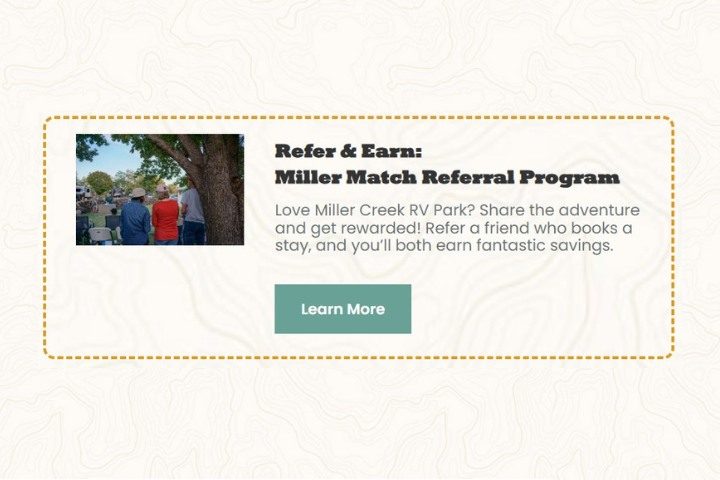
A referral program turns happy customers into brand ambassadors. Offer a discount, free product, or gift card in exchange for every successful referral.
Implementation Tip: Tools like ReferralCandy and Yotpo streamline tracking and reward delivery.
3. Seasonal Promotions to Capture Timely Demand
Tap into holidays, industry events, or local happenings to create urgency-driven promotions. Limited-time offers or seasonal bundles can boost conversions.
Implementation Tip: Create a content and promotion calendar 3–6 months in advance to stay ahead of seasonal opportunities.
4. Personalized Email Campaigns for Higher ROI

Email marketing still offers one of the highest ROIs, especially when personalized. Segment your list based on behavior, purchase history, or lifecycle stage to send relevant offers and content.
Implementation Tip: Use email automation platforms like ActiveCampaign or Klaviyo to set up behavior-triggered campaigns.
5. Retargeting Funnels to Recover Lost Leads
Most visitors don’t convert on the first visit. Retargeting helps you stay top-of-mind by showing relevant ads across platforms to those who’ve visited your website.
Implementation Tip: Build segmented ad funnels in Meta Ads Manager or Google Ads based on behavior (e.g., viewed a product page but didn’t purchase).
6. Content Repurposing to Maximize Existing Assets

Turn a single blog post into an infographic, a carousel on LinkedIn, a podcast topic, or a YouTube short. Repurposing multiplies your reach without doubling your workload.
Implementation Tip: Use Canva for visuals and Descript to easily edit audio/video content.
7. Micro-Influencer Partnerships for Targeted Reach
Micro-influencers (1,000–100,000 followers) often have more engaged audiences than large influencers. Collaborate with those whose followers match your target market.
Implementation Tip: Use platforms like Heepsy or AspireIQ to find vetted micro-influencers in your niche.
8. Loyalty Program Enhancements to Increase Retention

Enhancing your loyalty program with new tiers, experiential rewards, or birthday perks can reignite customer enthusiasm and increase repeat purchases.
Implementation Tip: Consider loyalty tools like Smile.io or LoyaltyLion to manage reward tiers and integrate with your eCommerce platform.
9. Social Proof Displays to Build Trust
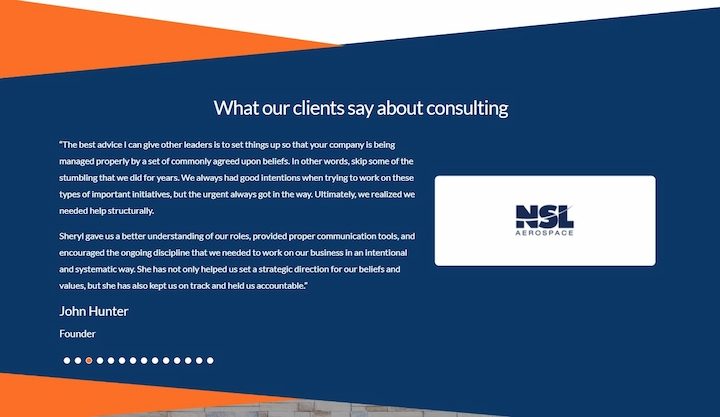
Reviews, testimonials, and customer-generated content add instant credibility. Display these across your website, landing pages, and even ads.
Implementation Tip: Use Trustpilot, Yotpo, or Google Reviews integrations on key conversion pages.
10. User-Generated Content (UGC) for Authenticity
Encourage customers to share photos or videos using your products. UGC is authentic and persuasive, especially when used in social ads or product pages.
Implementation Tip: Run a hashtag campaign on Instagram or TikTok and feature selected posts in your email newsletters or homepage.
11. Freemium Offers to Encourage Trial
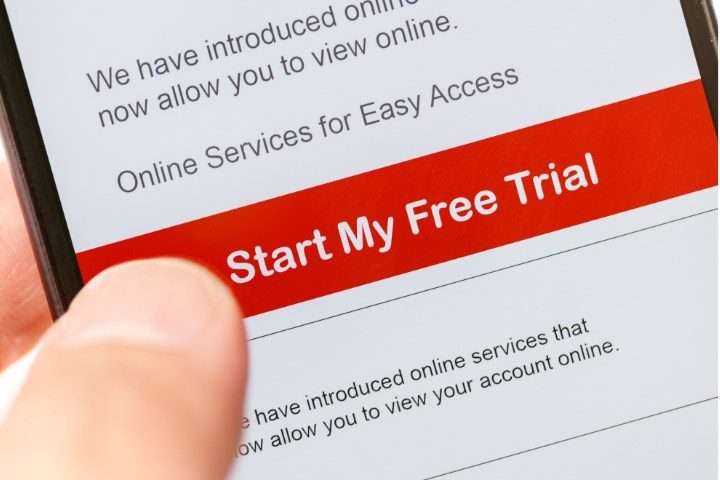
Freemium models, free trials, or sample products lower the barrier to entry and allow potential customers to experience value before buying.
Implementation Tip: For SaaS, track usage and in-app behavior during the trial to inform follow-up emails. For products, include a personalized offer with each free sample.
12. Webinar Marketing for Thought Leadership and Leads
Webinars position your brand as a helpful expert while capturing leads. They’re especially effective for B2B or high-ticket B2C offers.
Implementation Tip: Use Zoom or WebinarJam to host and promote through LinkedIn, email, and blog posts. Follow up with attendees and no-shows alike.
13. SEO Improvements to Attract Qualified Traffic
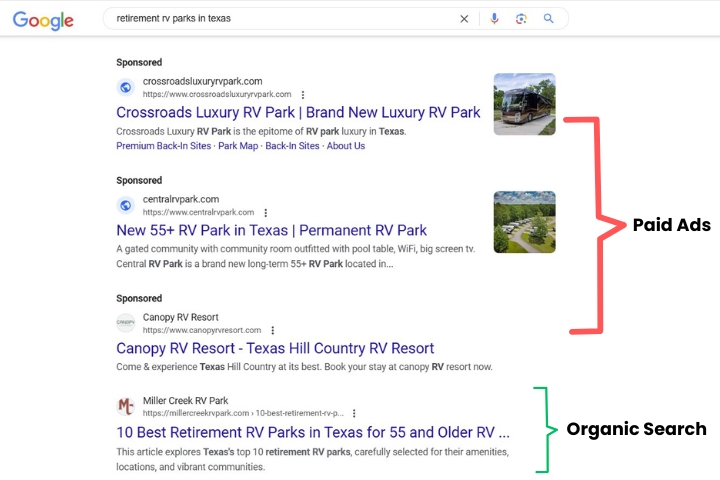
Improving your website’s SEO increases visibility in search engines and attracts people actively looking for what you offer.
Implementation Tip: Perform a full audit using tools like SEMrush or Ahrefs. Focus on keyword optimization, internal linking, and content updates to improve rankings.
14. PPC Testing to Refine Paid Campaigns
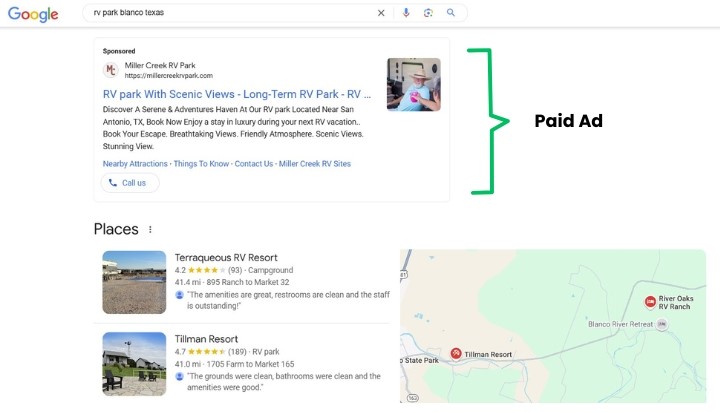
Paid advertising can get expensive if you don’t test. A/B test different headlines, creatives, calls-to-action, and landing pages to learn what converts best.
Implementation Tip: Use Google Ads Experiments or Facebook’s A/B test tool to run controlled split tests and make data-backed decisions.
15. Account-Based Outreach for High-Value Clients
For B2B companies targeting enterprise clients, account-based marketing (ABM) aligns sales and marketing to focus on a defined set of high-value accounts.
Implementation Tip: Personalize outreach using LinkedIn, email, and custom landing pages tailored to each target account. Platforms like HubSpot or RollWorks can help manage the workflow.
Measuring What Matters

No strategy is complete without measurement. For each of the above marketing strategy ideas, define clear KPIs before you launch. Track what matters, whether it’s click-through rate, conversion rate, average order value, or customer lifetime value.
Combine insights across multiple touchpoints to understand your true marketing performance. Over time, this data will show you which tactics to double down on and which to pivot.
Final Thoughts
The most effective marketing strategies are not one-size-fits-all. What they have in common is intentional design, execution, and refinement. By applying the 15 marketing strategy ideas above, you’ll set your business up for sustainable growth, stronger customer relationships, and measurable ROI.
Whether you’re launching your first campaign or overhauling your current approach, these ideas offer a mix of short-term wins and long-term positioning power.

Looking for expert guidance to turn these marketing strategy ideas into actionable campaigns?
NextLevel Thinking helps businesses like yours craft strategies that deliver results.
Let’s talk about how we can elevate your brand and drive measurable growth, without wasting your time or budget.
👉 Contact NextLevel Thinking today and let’s build a smarter marketing strategy together.